

Planning a trip to England sounds simple until you realize the weather can change in an hour, tourist crowds rise fast in summer, and prices often jump during holidays and school breaks. That is exactly why choosing the best time to visit England matters so much. The right month can mean brighter days, easier sightseeing, better hotel rates, and a more relaxed trip overall.
Quick Answer: Best Time to Visit England
The best time to visit England is usually May to September, with June and September offering the best balance of good weather, manageable crowds, and enjoyable travel conditions. If you want the cheapest trip, winter is best. If you want long daylight, green countryside, and the fullest travel experience, late spring and early autumn are ideal.
- May to September offers the best weather overall
- June and September balance sunshine, crowds, and prices
- Winter is the cheapest time to visit England
- Spring and autumn are best for fewer crowds and comfortable sightseeing
England Travel Seasons Overview:
England has three main travel seasons, and each one feels different.
Peak Season: Summer:

Summer in England runs roughly from June to August. This is the busiest travel period, especially in London, Bath, York, Oxford, the Cotswolds, Cornwall, and the Lake District.
What to expect:
- Higher hotel and train prices
- Longer queues at major attractions
- Busy restaurants and packed city centers
- The warmest weather and the longest daylight
Summer is great if you want a lively atmosphere, outdoor events, and the best chance of pleasant weather. It is not the quietest time, though, and popular destinations can feel crowded.
Shoulder Seasons: Spring and Autumn:

Spring (March to May) and autumn (September to November) are the sweet spots for many travelers. These months often deliver a better overall experience than peak summer because the weather is still comfortable, but the pressure on transport, hotels, and attractions is lower.
What to expect:
- More reasonable prices than summer
- Fewer crowds than peak season
- Comfortable weather for walking and sightseeing
- Beautiful scenery, especially in parks and countryside areas
For many travelers, these are the best England travel seasons.
Off Season: Winter:

Winter in England usually means December to February. It is colder, darker, and wetter, but it also has some advantages.
What to expect:
- Lower prices outside Christmas and New Year
- Fewer tourists
- Cozy pubs, museums, and indoor attractions
- Short daylight hours and unpredictable weather
Winter is a solid choice for budget travelers and anyone who enjoys a quieter trip.
England Weather by Month:
England’s weather by month is best described as changeable. You may get sunshine, wind, rain, and cloud cover all in the same day. Still, some months are clearly better for travel than others.
January:
Cold, grey, and often wet. Average temperatures are usually around 2°C to 8°C. Great for museums, city breaks, and budget deals.
February:
Still cold, but sometimes a little brighter than January. Good for lower prices and quieter attractions.
March:
Early spring begins. Temperatures slowly improve, and parks start to look less bare. A nice month for city sightseeing if you pack layers.
April:
Unpredictable but promising. You may get rain, sunshine, and cooler evenings. Gardens and countryside begin to look lovely.
May:
One of the best months overall. Days are longer, temperatures are milder, and many outdoor places feel much more enjoyable.
June:
Often excellent for travel. Warm enough for walking tours, countryside trips, and coastal visits, though crowds begin to increase.
July:
Peak summer. Expect warmer weather, school holiday crowds, and higher prices. Good for festivals and long days out.
August:
Still busy, especially in tourist areas. Similar to July, but often feels even more crowded because of school holidays and European vacation travel.
September:
A strong contender for the best month to visit England. The weather is often still pleasant, but crowds begin to thin out.
October:
Autumn colors, cooler temperatures, and a calmer atmosphere. A beautiful month for the countryside.
November:
Darker and wetter, but often cheaper. Best for city breaks, indoor attractions, and early Christmas shopping.
December:
Festive and atmospheric. Christmas lights, markets, and winter events make it a lovely time for cities, though travel can be expensive around the holidays.
Best Time to Visit England for Good Weather:
If your main goal is good weather, the best time to go to England is usually late May through September. This is when you have the best chance of warmer temperatures, longer daylight, and more stable conditions for outdoor plans.
That said, “good weather” in England does not mean perfect weather. Even in summer, it can rain or turn cool quickly. A realistic traveler plans for mild sun, occasional showers, and breezy evenings rather than expecting a Mediterranean-style trip.
The biggest advantage of summer is simple: you can do more with your day. Walking tours, gardens, coastal towns, outdoor pubs, and countryside drives all feel easier. The downside is that everyone else knows this too.
Cheapest Time to Visit England:
The cheapest time to visit England is usually January to February, followed by parts of November and early December before the holiday rush.
To save money:
- Travel outside school holidays
- Book trains and hotels early
- Stay a little outside major city centers
- Use midweek travel dates when possible
- Mix city stays with smaller towns for lower rates
The shoulder season can also be a smart budget choice. March, April, late September, and October often offer better prices than summer without the same level of weather compromise.
If you are planning an England trip on a budget, winter can be excellent as long as you are comfortable with shorter days and colder conditions.
Best Time to Visit England for Sightseeing:
For sightseeing, the best months are usually May, June, September, and early October. These months offer a good mix of manageable weather and better crowd levels, which makes a big difference when you are visiting castles, museums, cathedrals, historic city centers, and famous landmarks.
Sightseeing in England is much more enjoyable when:
- You are not fighting peak-season queues
- You can walk comfortably between attractions
- You have enough daylight to explore properly
This is especially true in places like London, Oxford, Cambridge, Bath, and York, where a lot of the experience comes from walking through the streets and taking in the atmosphere.
Best Time to Visit London England:
The best time to visit London, England is usually May to June or September. London works year-round, but those months often give you the best overall experience.
Why these months stand out:
- Parks and outdoor spaces feel lively
- The weather is often good enough for walking
- Crowds are slightly easier than in July and August
- Events, open-air dining, and river walks feel more enjoyable
London in winter can still be excellent, especially around Christmas. The city looks beautiful with lights, markets, and festive displays. Just be prepared for early sunsets and colder weather.
If you are planning a city-focused trip and want to explore attractions, neighborhoods, and day trips, London is often best outside the peak school-holiday rush. Here is the complete guide about Best time to visit London.
Best Time to Visit England Countryside:
For the countryside, the best time to visit England is usually late spring through early autumn. This is when places like the Lake District, the Cotswolds, the Yorkshire Dales, and national parks look their best.
1. Lake District:

Best in May, June, September, and early October. The hills look green, the lakes are scenic, and walking routes are more pleasant.
you can enjoy here with your family and capture memories here. I also enjoyed too much when I visited this place.
2. Cotswolds:
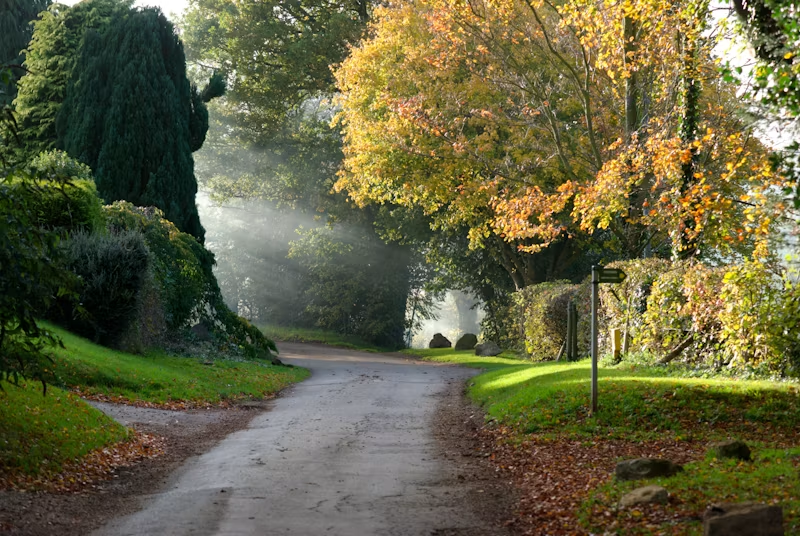
Best in spring and summer, when villages, gardens, and walking routes are at their most attractive.
Exploring the Cotswolds offers quintessential English charm through historic villages, rolling countryside, and grand estates. Highlights include village hopping (such as Bibury, Castle Combe, and Bourton-on-the-Water), enjoying afternoon tea at local tearooms, and walking the 102-mile Cotswold Way.
3. National Parks:

Best in late spring and autumn. Spring gives fresh greenery and flowers, while autumn brings beautiful colors and cooler hiking weather.
Countryside travel is harder in the deep winter because daylight is short and some outdoor activities become less appealing. Still, winter can be peaceful if you want a quiet escape.
Best Time to Visit England for Festivals and Events:
If festivals matter to you, summer is the most active season. June, July, and August bring the biggest mix of music festivals, cultural events, food fairs, open-air performances, and local celebrations.
For a different kind of atmosphere, December is great for Christmas markets, lights, and seasonal events in cities and historic towns.
England’s event calendar is one reason many travelers choose summer despite the crowds. The country feels energetic, social, and easy to enjoy outdoors.
England Peak Season vs Off Season:
Here is the simple comparison.
Peak Season:
Pros:
- Best weather chance
- Long daylight
- More events and festivals
- Best for outdoor activities
Cons:
- Higher prices
- Bigger crowds
- More advanced booking needed
Off Season:
Pros:
- Cheaper hotels and transport
- Fewer tourists
- Easier to book popular places
- Cozy winter atmosphere
Cons:
- Colder and wetter
- Short daylight
- Some outdoor experiences feel limited
If your main goal is value, the off season wins. If your main goal is the best all-around experience, peak shoulder months usually win.
When to Visit England for Fewer Crowds:
For fewer crowds, aim for March, April, late September, October, or early November. These months often give you a calmer trip without the full winter slowdown.
A few practical crowd tips:
- Visit attractions early in the morning
- Book major sites in advance
- Travel midweek instead of Friday to Sunday
- Avoid school holidays if possible
- Stay overnight near popular areas to beat day-trip rushes
The difference between a crowded and calm trip can be huge, especially in London and the most famous countryside destinations.
Is England Worth Visiting in Winter?
Yes, England is worth visiting in winter if you understand what you are signing up for.
Why winter can be good:
- Lower prices
- Fewer tourists
- Festive atmosphere in December
- Great museums, pubs, and indoor attractions
Why winter can be challenging:
- Short daylight hours
- Cold, damp weather
- More limited outdoor sightseeing
- Some destinations feel quieter than expected
Winter is especially good for travelers who enjoy cities, culture, food, and Christmas energy. It is less ideal if your trip is mainly about countryside scenery and outdoor wandering.
Best Time to Visit England with Family:
The best time to visit England with family is usually late spring, summer, or early autumn. These months are more comfortable for outdoor activities, easier sightseeing, and family-friendly day trips.
Family travel works best when:
- The weather is mild enough for all-day outings
- Parks, zoos, museums, and castles are easy to enjoy
- School holiday timing is planned carefully
If you are traveling with children, summer offers the most flexibility. If you want fewer crowds and lower prices, early spring or September can be a better balance.
3 Travel Scenario-Based Recommendations:
For Budget Travelers:
Go in January, February, or November for the cheapest deals. You will save money, especially on hotels and transport.
For First-Time Visitors:
Choose May, June, or September. These months are the most balanced for weather, crowds, and sightseeing.
For Luxury Travelers:
Plan for June or September. You will get a premium travel experience, beautiful settings, and better weather without the busiest peak-season pressure.
Common Mistakes Tourists Make In England:
A lot of first-time visitors make the same mistakes:
- Expecting perfect weather every day
- Booking only peak summer and paying more
- Forgetting to reserve popular attractions
- Ignoring regional differences between London, countryside, and coast
- Packing for one season only
England rewards flexible travelers. The more prepared you are for changing weather, the better the trip feels.
England Travel Tips for 2026:
A few simple travel tips make a big difference:
- Pack layers, not just one warm jacket
- Bring a small umbrella or light rain shell
- Book trains and hotels early for summer travel
- Leave room in your schedule for weather changes
- Plan indoor backup activities for rainy days
- Check local event calendars before locking dates
England is easier to enjoy when you travel with flexibility. That is especially true in 2026, when popular destinations continue to book up quickly during school breaks and event seasons.
FAQs
1. What is the best month to visit England?
September is often the best all-around month, with good weather, lighter crowds, and a more relaxed atmosphere. May and June are also excellent.
2. When is England cheapest to visit?
January and February are usually the cheapest months, with November and early December also offering good value.
3. Is summer the best time to visit England?
Summer is the best time for weather and events, but not always the best overall because it is crowded and expensive.
4. Is England good in winter?
Yes, especially for city breaks, Christmas markets, museums, and budget travel. It is less ideal for long outdoor sightseeing.
5. How many days do you need in England?
A first trip usually needs 7 to 10 days to see London plus at least one or two other regions. Longer trips work even better.
6.When should I avoid visiting England?
There is no bad time, but you may want to avoid the busiest school holiday periods if you dislike crowds and high prices.
The best time to visit England depends on what kind of trip you want. For the best overall balance, May to June and September are usually the strongest choices. For the cheapest trip, winter wins. For the warmest weather and fullest event calendar, summer is best.
If you want the most practical answer, here it is: visit England in late spring or early autumn for the best mix of weather, crowds, and value. That is the sweet spot for most travelers, especially first-time visitors. If your travel style is different, choose the season that matches it best, and England will reward you with a memorable trip.
If you’re interested in exploring the UK also read our recommendations.
Is London safe for Tourists?
What to do in London?
Safety in London
Best cities in England
Where to stay in London?
Best time to visit London
If you’ve any question feel free to ask. We’ll guide you step by step and leave a comment below. Your question might be the topic of our next travel guide post.
Take good care of yourself and yourself.
Happy Travels!
Best regards!
UKBestfind.com

Hello and welcome to UKBestFind.com. My name is Luqman, and I am passionate about exploring new places, discovering valuable insights, and sharing reliable information with readers.
With over 2 years of experience in Search Engine Optimization (SEO), I specialize in helping websites improve their online visibility, organic traffic, and search engine performance. My expertise includes content optimization, technical SEO, keyword research, and digital growth strategies.
My mission is to provide accurate, trustworthy, and up-to-date information that helps users make informed decisions. I am committed to maintaining high content standards and ensuring that every article delivers real value to readers.
In addition to content creation and SEO, I help businesses strengthen their online presence by improving their websites, implementing effective digital marketing strategies, and supporting long-term business growth.
Thank you for visiting UKBestFind.com. I hope you find our content helpful, informative, and valuable.
— LuqmanSEO Specialist | Content Researcher | Digital Growth Enthusiast
For Contact: lmalikluqman452@gmail.com