

I’ll be honest, Wolverhampton was not a city I expected to spend all day exploring. But after walking around properly, I realised it is one of those places where the best parts reveal themselves slowly. If you are searching for things to do in Wolverhampton, or even just wondering what to do in Wolverhampton for a day or weekend, the city has a mix of easy free attractions, green space, theatre, football culture, and a few nearby places that make the whole trip feel bigger than the city centre itself.
What I liked most is that Wolverhampton does not pretend to be something it is not. It feels practical, local, and real. That means you should not come expecting a huge tourist showpiece. You should come expecting a proper day out with a few strong stops, some good walking, and a couple of surprises if you know where to look.
Short Answer: Things to Do in Wolverhampton UK.
If you only have a short time, the best answer to what to do in Wolverhampton is simple. Start with Wolverhampton Art Gallery, relax in West Park, visit Bantock House Museum, and catch a show at Wolverhampton Grand Theatre. If you are into football, Molineux Stadium is a must. For a more elegant half day trip, Wightwick Manor is one of the best places to visit in Wolverhampton, while the Black Country Living Museum makes an excellent nearby addition. Wolverhampton Art Gallery and Bantock House are free, which makes them easy wins for a budget friendly day out.
Top Things to Do in Wolverhampton England:
1. Wolverhampton Art Gallery:

Why visit: This is the best place to begin if you want a calm indoor start and a real feel for the city’s culture.
What makes it special: The gallery has a strong collection and temporary exhibitions, plus it sits right in the centre of Wolverhampton, only a short walk from the bus, train, and tram stations. Admission is free, which makes it one of the easiest things to do in Wolverhampton UK.
Entry fee: Free.
Time required: One to two hours.
Best for: Art lovers, rainy days, and anyone looking for indoor things to do in Wolverhampton.
Pros: Free entry, central location, easy to fit into a short itinerary.
Cons: If you are not into galleries, you may only need a quick visit.
Insider tip: Pair it with a coffee and a slow walk through the city centre so the visit feels like part of a relaxed morning rather than a rushed stop.
Nearby places: City centre shops, cafés, and transport links.
Best time to visit: Late morning or early afternoon.
Personal experience: I liked how unforced it felt. It did not try too hard, and that actually made it more enjoyable. It is the kind of place I would happily use to start a Wolverhampton travel guide day because it gets you into the city’s rhythm without draining your energy.
2. West Park:

Why visit: If you want a proper open space in the middle of a city day, West Park is the easiest reset button.
What makes it special: It is one of the most reliable outdoor things to do in Wolverhampton, and it is also a local favourite for walking, running, and sitting with a takeaway coffee. The council’s parks information confirms it as a public green space, and community activity such as Parkrun takes place here on Saturday mornings.
Entry fee: Free.
Time required: Thirty minutes to two hours.
Best for: Families, walkers, runners, and anyone looking for free things to do in Wolverhampton.
Pros: Open, easy to reach, good for fresh air, and very low effort.
Cons: It is a park, not a major attraction, so expectations should stay realistic.
Insider tip: Go early if you want the quietest feel, especially on a weekend morning.
Nearby places: City centre, West Park Road, and other central attractions.
Best time to visit: Morning in spring or summer.
Personal experience: This was one of the places that made Wolverhampton feel more liveable than flashy. It is not dramatic, but it is useful, peaceful, and genuinely pleasant. For anyone looking for cheap things to do in Wolverhampton, this is an easy yes.
3. Bantock House Museum:
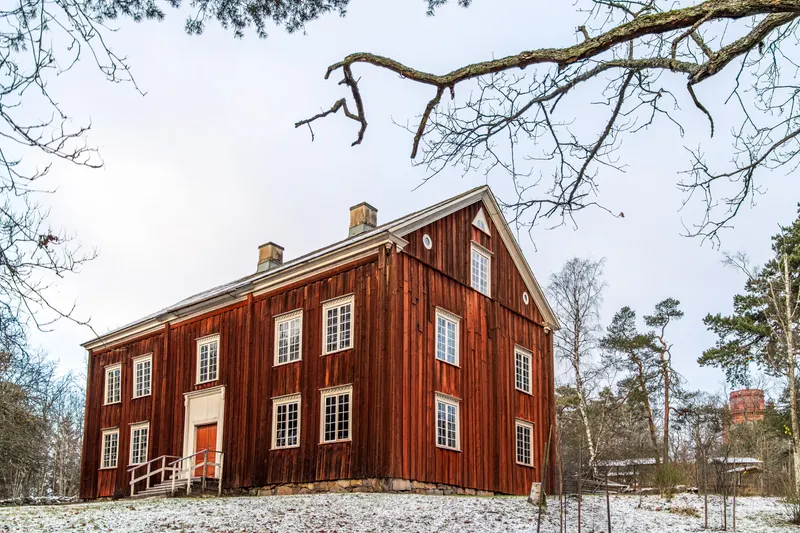
Why visit: Bantock House gives you a slower, older, more local side of the city.
What makes it special: It is a free museum set in attractive grounds, and it works well for people who enjoy history without wanting a huge crowd. Current information shows free admission, with opening hours that vary by season.
Entry fee: Free.
Time required: One to two hours.
Best for: History fans, families, and anyone wanting unique things to do in Wolverhampton.
Pros: Free, peaceful, and more characterful than many visitors expect.
Cons: It is quieter and less flashy than a major city museum.
Insider tip: Check opening times before you go, especially outside the main season.
Nearby places: West Park and the wider west side of the city.
Best time to visit: Late morning on a weekday.
Personal experience: I liked that it felt local rather than polished for tourism. It is exactly the sort of hidden gem in Wolverhampton that rewards people who slow down. If you are looking for what to do in Wolverhampton beyond the obvious centre, this is a great stop.
4. Wolverhampton Grand Theatre:
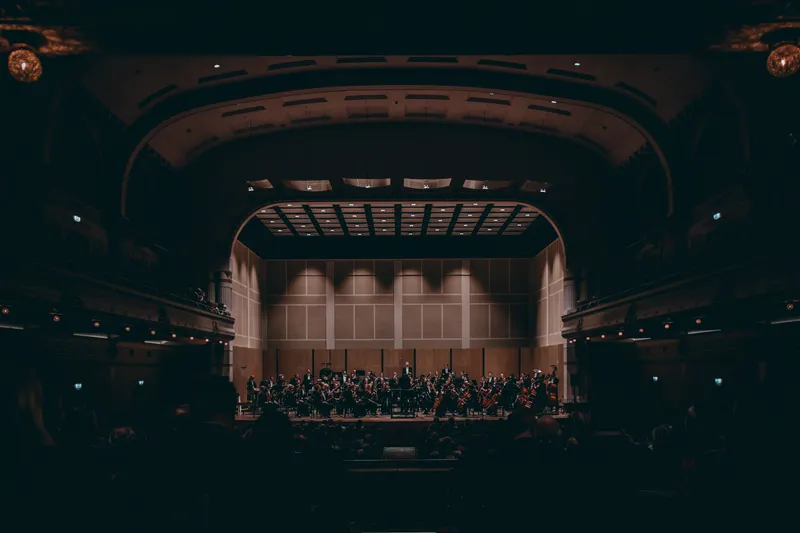
Why visit: This is one of the city’s main evening anchors and a strong choice if you want what to do in Wolverhampton for adults.
What makes it special: The Grand Theatre stages touring musicals, comedy, music, drama, and family events. It is one of the most established cultural venues in the city, and the current programme shows how active it remains in 2026.
Entry fee: Varies by show.
Time required: Two to four hours including pre show time.
Best for: Couples, adults, and night time visitors.
Pros: Strong atmosphere, central location, good for an evening plan.
Cons: You need to book in advance for popular shows.
Insider tip: Check the programme early, because the best dates can sell out before a trip is even finalised.
Nearby places: City centre restaurants and bars.
Best time to visit: Evening.
Personal experience: This felt like the place that gives Wolverhampton a proper night out option. It is not just a building for tourists. It feels used, busy, and part of the city’s identity.
5. Molineux Stadium:

Why visit: If you care about football, this is one of the key tourist attractions in Wolverhampton.
What makes it special: Molineux has been home to Wolverhampton Wanderers since 1889 and remains central to the city’s sporting identity. Stadium and museum visits are available, and the tours run on different days depending on stadium events, so booking ahead is sensible.
Entry fee: Varies by tour or matchday package.
Time required: One to two hours for a tour, longer on matchday.
Best for: Football fans, older kids, and visitors who want a classic local experience.
Pros: Strong sense of place, memorable for sports fans.
Cons: Availability can change around matchdays and stadium restrictions.
Insider tip: Book ahead if you want a tour rather than just hoping to turn up.
Nearby places: City centre, railway links, and central Wolverhampton.
Best time to visit: On a non match day if you want the stadium experience without the crowds.
Personal experience: Even for non hardcore football fans, Molineux gives you a real sense of the city’s pride. It is the kind of place that helps explain Wolverhampton in a way a normal sightseeing list cannot.
6. Wightwick Manor:
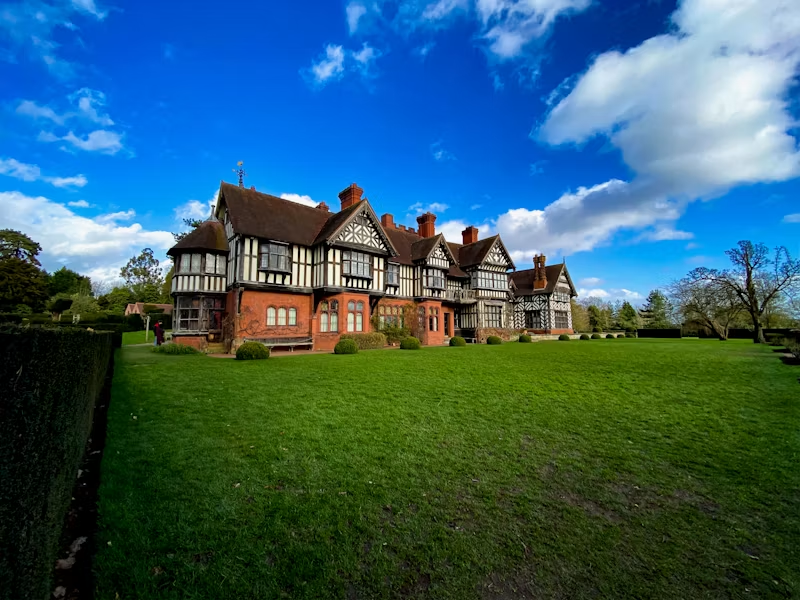
Why visit: This is the most polished heritage stop near the city and one of the best things to do near Wolverhampton.
What makes it special: The National Trust describes it as a Victorian manor with a Pre Raphaelite art collection and Arts and Crafts interiors. It also has gardens, a tearoom, and free parking. In July 2026, the site lists manor house opening times from 11am to 5pm and garden opening from 10am to 5pm. Non members pay admission, while National Trust members and under fives get free entry.
Entry fee: Non member adult admission from £18 to £19.80 depending on ticket type and Gift Aid.
Time required: Two to three hours.
Best for: Adults, couples, history lovers, and relaxed day trips.
Pros: Beautiful setting, strong interiors, good gardens.
Cons: Not the cheapest stop if you are paying standard entry.
Insider tip: Use the tea room and gardens to make it feel like a proper half day rather than just a quick house visit.
Nearby places: Western Wolverhampton and the edge of the countryside.
Best time to visit: Late morning or early afternoon in good weather.
Personal experience: This felt like the most refined stop on the list. It is worth the trip if you like houses with atmosphere rather than just a formal tour route.
7. Bilston Craft Gallery:
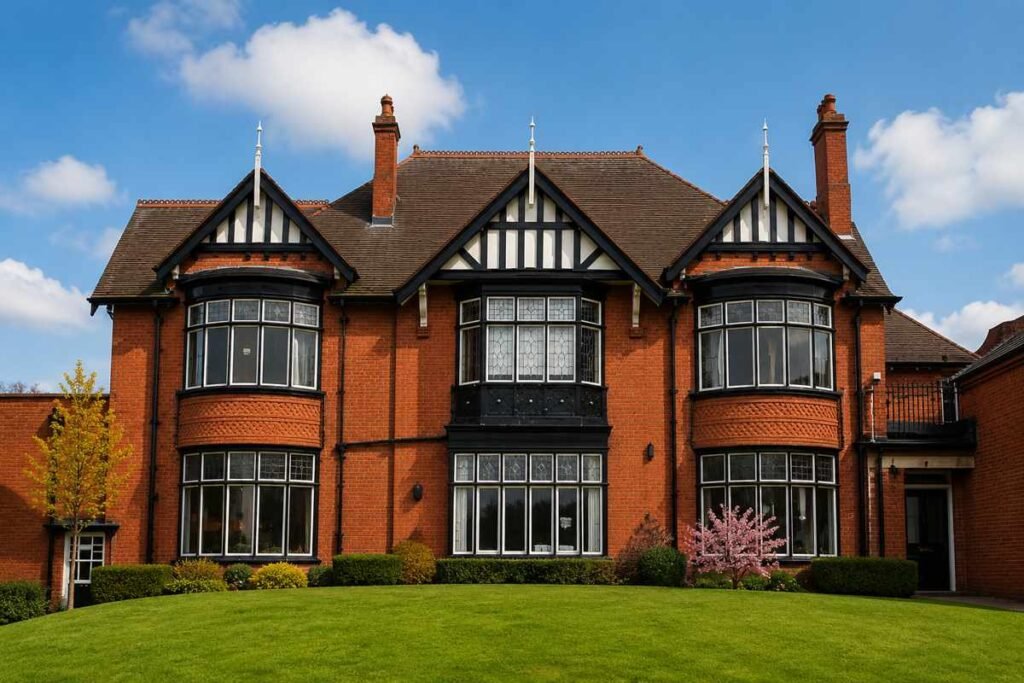
Why visit: It is one of the more overlooked places to visit in Wolverhampton, and that makes it interesting.
What makes it special: The gallery focuses on contemporary craft and historic displays, and current listings show free admission with opening on Thursday, Friday, and Saturday from 12pm to 4pm.
Entry fee: Free.
Time required: Forty five minutes to one hour.
Best for: Craft lovers, quiet explorers, and people looking for hidden gems in Wolverhampton.
Pros: Free, compact, and a good low pressure visit.
Cons: Limited opening days.
Insider tip: Combine it with a wider Bilston walk so the trip feels worthwhile.
Nearby places: Bilston town centre.
Best time to visit: Thursday to Saturday afternoon.
Personal experience: This is the sort of place locals know about even when tourists miss it completely.
Free Things to Do in Wolverhampton:
If you are planning things to do in Wolverhampton this weekend on a budget, the easiest free options are Wolverhampton Art Gallery, Bantock House Museum, West Park, and Bilston Craft Gallery. The city centre also works well for a self guided walk, especially if you want a mix of architecture, cafés, and local atmosphere without spending much. Wolverhampton’s central transport links also make it easy to move between stops on foot.
What to Do in Wolverhampton for First Time Visitors:
For a simple one day itinerary, I would start with Wolverhampton Art Gallery in the morning, walk through the centre for lunch, and then spend the afternoon in West Park or Bantock House Museum. If you are staying longer, save the evening for the Grand Theatre or a Wolves match if there is one. That gives you a good mix of culture, green space, and local identity without overplanning it.
For a two day version, add Wightwick Manor on day two and finish with the Black Country Living Museum nearby. That is the combination I would choose if I wanted a fuller picture of what to do in Wolverhampton and the surrounding area.
Hidden Gems and Unique Things to Do in Wolverhampton:
The hidden gems in Wolverhampton are not always dramatic, but they are memorable. Bilston Craft Gallery is one of them. Bantock House is another. West Park also fits here because it feels like a real local space rather than a stage set. If you want something quieter, spend time around Wightwick and the western edge of the city, where the pace changes and the trip feels less urban.
These are the kinds of places that make Wolverhampton worth visiting. They are not loud, but they are honest.
Things to Do in Wolverhampton with Family:
For families, the best bets are West Park, Wolverhampton Art Gallery, Bantock House Museum, Bilston Craft Gallery, and a football themed stop at Molineux. They work because they are simple, flexible, and not too expensive. The free entry at several venues is especially useful for family days out.
Things to Do in Wolverhampton at Night:
At night, the city feels more limited than Birmingham, but it still has options. The best move is usually a theatre show, a restaurant dinner, or a matchday visit around Molineux. If you are after what to do in Wolverhampton for adults, the Grand Theatre is the strongest cultural choice and the easiest evening plan to recommend.
Indoor vs Outdoor Things to Do in Wolverhampton:
For indoor things to do in Wolverhampton, I would prioritise Wolverhampton Art Gallery, Bantock House Museum, Bilston Craft Gallery, the Grand Theatre, and a stadium tour at Molineux. For outdoor things to do in Wolverhampton, West Park and Wightwick Manor are the clear winners. The best trips usually mix both so the day does not feel too heavy in one direction.
Things to Do Near Wolverhampton:
The best nearby stop is the Black Country Living Museum, which is open daily from 10am to 5pm according to the museum site. It is one of the most useful add ons if you want a stronger heritage experience. Dudley Zoo and Castle is another nearby option, with current 2026 admission information and daily opening from 10am on its official site. Birmingham is the other obvious add on if you want a bigger city day out after Wolverhampton.
Seasonal Things to Do:
In spring, focus on West Park and Wightwick Manor when the weather starts to improve. In summer, go heavier on outdoor things to do in Wolverhampton and nearby day trips. In autumn, the city works well for theatre and museum visits. In winter, I would lean toward indoor cultural stops and evening events, because that is when Wolverhampton feels most practical and easy to enjoy.
Common Mistakes Tourists Make:
The biggest mistake is expecting a huge tourist city. Wolverhampton is better than that in a quieter, more local way. Another mistake is skipping the nearby attractions, because Wightwick Manor and the Black Country Living Museum add a lot to the trip. The last one is not planning transport properly. A simple walking route around the centre helps a lot, especially if you are trying to pack in several places in one day.
Wolverhampton Travel Tips 2026:
The best time to visit is late spring through early autumn if you want parks and outdoor walking to work at their best. Budget wise, Wolverhampton is a good city for low cost sightseeing because several of the main stops are free. For transport, the centre is easy to navigate on foot once you arrive, and the art gallery is close to the main bus, train, and tram links. For accessibility, check each venue in advance because older buildings and gardens can vary. Wightwick Manor notes partly accessible grounds and a shuttle buggy, which is useful to know before you go.
Safety wise, I found Wolverhampton to feel like a normal working city rather than a tourist bubble. That means the usual common sense applies. Stick to busy areas after dark, plan your return journey, and do not leave late transport until the last minute.
FAQs
1. Is Wolverhampton worth visiting?
Yes, especially if you like cities that feel real rather than overproduced. The mix of free museums, green space, theatre, football, and nearby heritage attractions makes it worth a day or two.
2. What is Wolverhampton known for?
Wolverhampton is known for its football, its cultural venues, its museums, and its place in the wider Black Country. Molineux is one of the biggest names, while the art gallery and Wightwick Manor show a more cultural side.
3. How many days do you need?
One day is enough for the main highlights. Two days is better if you want Wightwick Manor and the Black Country Living Museum as well.
4. What can you do for free?
You can visit Wolverhampton Art Gallery, Bantock House Museum, West Park, and Bilston Craft Gallery without paying entry. That makes Wolverhampton a good choice for budget travel.
If I were showing a friend around, I would not rush Wolverhampton. I would start with the free cultural stops, spend time in West Park, add one heritage site, and finish with either the theatre or Molineux. That is the best way to experience the city honestly.
It is not a place that tries to impress you all at once. It is a place that gets better as you spend time in it. And that is exactly why the best things to do in Wolverhampton are often the ones people almost overlook.
Take good care of Yourself and your family.
Happy Travels!
Best Regards!
Ukbestfind.com

Hello and welcome to UKBestFind.com. My name is Luqman, and I am passionate about exploring new places, discovering valuable insights, and sharing reliable information with readers.
With over 2 years of experience in Search Engine Optimization (SEO), I specialize in helping websites improve their online visibility, organic traffic, and search engine performance. My expertise includes content optimization, technical SEO, keyword research, and digital growth strategies.
My mission is to provide accurate, trustworthy, and up-to-date information that helps users make informed decisions. I am committed to maintaining high content standards and ensuring that every article delivers real value to readers.
In addition to content creation and SEO, I help businesses strengthen their online presence by improving their websites, implementing effective digital marketing strategies, and supporting long-term business growth.
Thank you for visiting UKBestFind.com. I hope you find our content helpful, informative, and valuable.
— LuqmanSEO Specialist | Content Researcher | Digital Growth Enthusiast
For Contact: lmalikluqman452@gmail.com